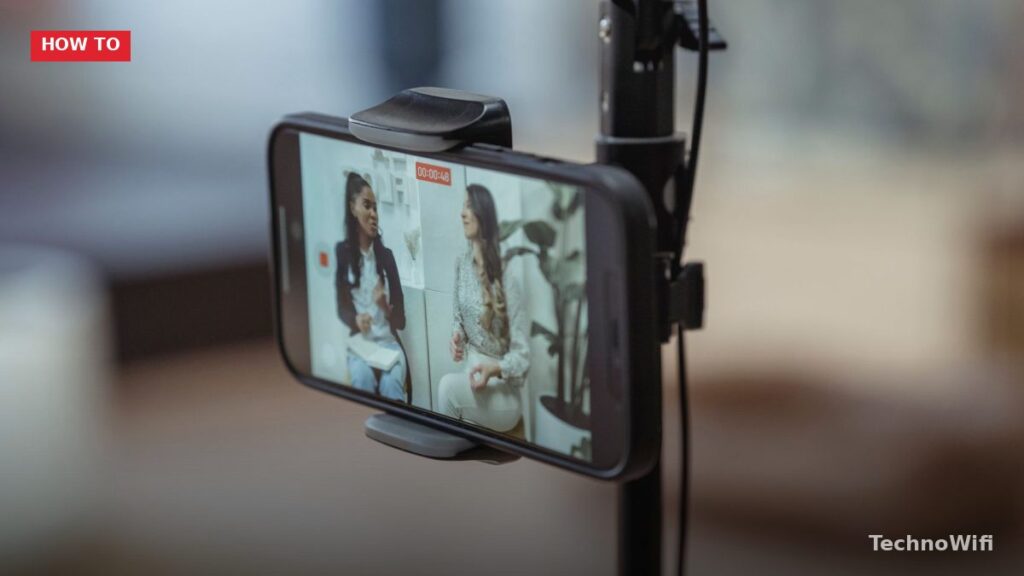
How to Start Vlogging: The Gear You Actually Need
If you’ve been wondering how to start vlogging, you’re not alone. Video blogging has grown into one of the most popular ways to share stories, tips, and everyday life online. YouTubers, content creators, and influencers are everywhere in 2026, and getting started is more accessible than ever.
The first time I heard the word “Vlog,” I honestly thought someone had misspelled “Blog.” Turns out it’s short for video blogging, which is exactly what it sounds like: sharing your thoughts and experiences through video instead of written posts.
People vlog about everything. Daily routines, travel adventures, beauty tips, fitness, cooking, tech reviews. If you’re interested in something, there’s an audience for it.
So how do you actually get started? Here are the 5 essential pieces of gear you need to jump into vlogging.
1. Vlogging Camera
The camera is the foundation of your setup. There are tons of options out there, and it’s easy to get overwhelmed. The key is to start with something that shoots in high definition and feels comfortable to use.
A camcorder, entry-level DSLR, or mirrorless camera all work well. Your phone is also a perfectly valid option, especially since you already carry it everywhere.
A GoPro is another solid choice. It’s compact, easy to carry, and captures a wide field of view that works great for on-the-go content.
If you plan to stick with vlogging long-term, it might be worth investing in something like the Panasonic Lumix G90/G95, Sony A6100, Olympus OM-D E-M5 Mark III, or Canon EOS M6 Mark II.
For related tips, check out our full guide on how to make a cooking video.
Personally, I prefer a small, lightweight camera that handles different shooting situations without weighing me down.
2. Tripod
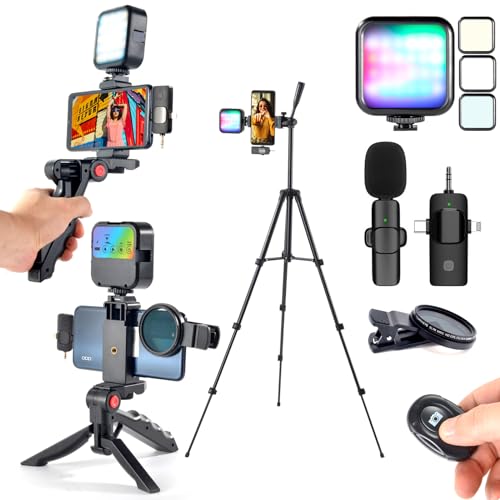
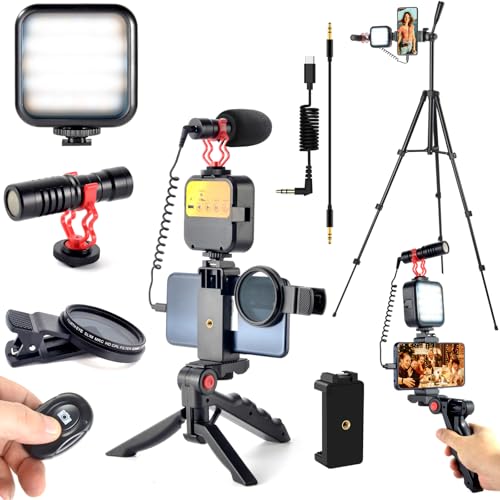
You’ll need something to hold your camera steady. A tripod that doubles as a vlogging stick is the best of both worlds.
If your camera has a wide-angle lens (like a GoPro), you’ll notice some perspective distortion up close. Using a stick lets you hold the camera farther from your face, which looks more natural and captures more of your surroundings.
Stability matters too. Nobody wants to watch shaky footage. A tripod or vlogging stick keeps things smooth so your viewers don’t feel seasick.
One of the most popular options is the JOBY GorillaPod. It’s a flexible tripod with bendable legs that wrap around almost anything. The Manfrotto Mini Tripod is another great pick if you prefer something more traditional.
3. Microphone
Most cameras come with built-in mics, but they tend to pick up everything, including wind, background chatter, and ambient noise. That’s not going to cut it.
Be honest: do you watch videos with scratchy, muffled audio? Neither does anyone else. Bad sound is the quickest way to lose viewers.
An external microphone gives you much better control over audio quality. Check out camera microphones like the Rode VideoMic Pro, Shure VP83, Rode NT-USB, and AKG Pro Audio C214.
4. Lights
Good lighting makes your camera work at its best. Natural light is always the top choice, so film near windows whenever you can.
Our article on free video editing software covers related ground and is worth a look.
But if natural light isn’t available (especially for indoor shoots), you’ll need some artificial lighting. Portable LED Lights are a great starting point. They’re easy to carry and set up anywhere. The YONGNUO YN300 AIR is a popular budget option.
Ring lights are another common choice, especially for beauty and talking-head content. They create even, flattering light on your face. The downside is that they don’t light up your background.
For a more professional look, consider a fill, key, and background lighting setup. This fixes dark backgrounds and adds depth to your shots, which is especially helpful when recording at night.
Some good kits to check out: the Neewer 2 Pieces Bi-color 660 LED Video Kit for mid-range budgets, or the Aputure Lights (Aputure 120D, Aputure LS1, Aputure LS1/2) if you want to go premium. The Aputure lights are remote-controlled, which saves you from constantly getting up to adjust them.
5. Video Editing Software
You’ll need editing software to piece everything together. Plenty of free options exist: iMovie works well on Mac, and Windows Photos includes basic video editing tools.
Free software handles simple edits just fine, but if you’re thinking long-term, paid options like Adobe Premiere Pro or Final Cut Pro open up much more creative control. We’ve put together a list of our top five picks for the best editing software for both beginners and more experienced editors.
Those are the basics you need to get rolling. Your exact setup will depend on the kind of content you’re creating. A travel vlog needs different gear than a beauty channel, so think about what you’ll be shooting most often.
As you grow and improve, you’ll naturally want to upgrade your tools. That’s part of the process. Start with what you can afford, learn the fundamentals, and build from there.
How we verify what we publishLast checked October 10, 2026Report an error