iPhone 12 in 2026: Still Worth It?
The iPhone 12 hit the market back in October 2020, and it was a big deal at the time. It introduced 5G connectivity to Apple’s lineup, brought back the flat-edged design, and moved the entire range to OLED displays. But now, six years later, the question is simple: is the iPhone 12 still worth buying in 2026?
The short answer? It depends on what you need. If you’re looking for a capable iPhone at a lower price point, the iPhone 12 still has a lot going for it. Let’s break down what it offers and where it shows its age.
iPhone 12 Design and Display
The iPhone 12 came in three display sizes across the lineup: 5.4 inches (iPhone 12 mini), 6.1 inches (iPhone 12 and 12 Pro), and 6.7 inches (iPhone 12 Pro Max). All models featured OLED panels, which was a major upgrade from the LCD screens on earlier models.
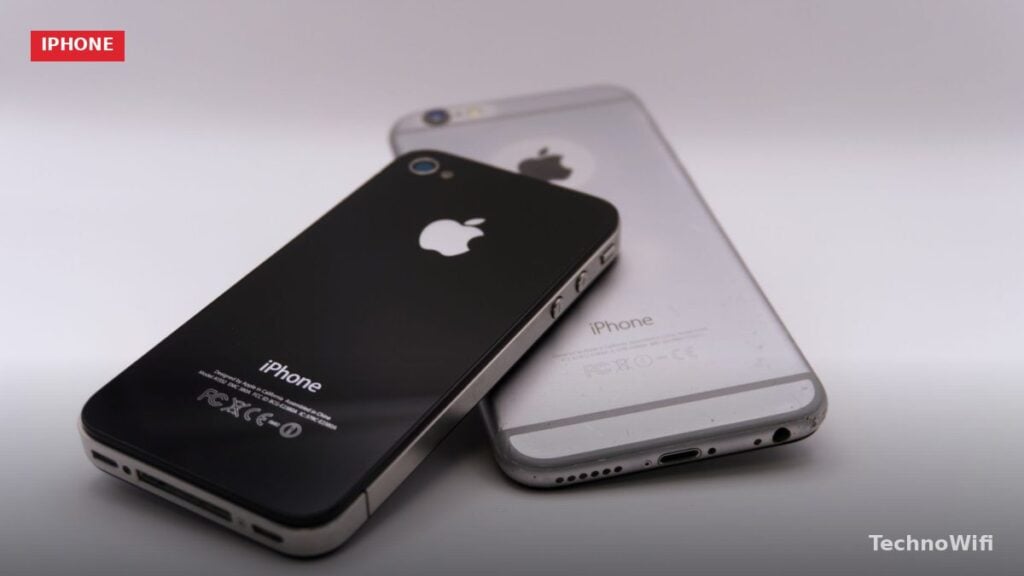
The flat-edged stainless steel and aluminum frame was inspired by the iPhone 4 and iPhone 5 era, and honestly, it still looks modern in 2026. Apple used Ceramic Shield glass for the front, which offered better drop protection than previous generations.
Even by today’s standards, the iPhone 12’s design holds up well. It doesn’t look or feel outdated, which is more than you can say for many phones from 2020.
A14 Chip and RAM
The iPhone 12 runs on Apple’s A14 Bionic chip, which was the first 5-nanometer smartphone processor. TSMC manufactured these chips, and they were impressive for their balance of speed, efficiency, and thermal management.
In 2026, the A14 still handles everyday tasks like browsing, social media, email, and streaming without issues. You’ll notice some slowdown with the latest demanding apps and games, but for general use, it’s perfectly capable.
The base iPhone 12 came with 4GB of RAM, while the Pro models shipped with 6GB. That’s on the lower end by 2026 standards, and you might experience some app refreshing when multitasking with several apps open.
iPhone 12 Camera
The iPhone 12 introduced a dual-camera system on the standard model and a triple-camera setup on the Pro variants. The Pro models also featured a LiDAR scanner for improved autofocus in low light and augmented reality applications.
The camera system uses a time-of-flight approach that measures how long a laser takes to bounce off objects, creating depth maps for portrait shots and 3D scanning. The rear cameras work well within about 15 feet, while the front-facing TrueDepth camera handles Face ID and selfies at closer range.
For social media photos and casual photography, the iPhone 12’s cameras still produce excellent results. Professional photographers and content creators will want something newer, but everyday users won’t have much to complain about.
iPhone 12 5G Connectivity
The iPhone 12 was Apple’s first 5G phone, using Qualcomm’s X55 modem. This modem supports sub-6GHz and mmWave 5G bands, giving you access to the faster network speeds that are now widely available across the US in 2026.
When the phone first launched, 5G coverage was still spotty. Now that carriers have built out their networks significantly, iPhone 12 users can actually take full advantage of that 5G capability. It’s one area where the phone has gotten better with time, not worse.
What Shows Its Age
While the iPhone 12 is still a solid phone, there are areas where it falls behind newer models:
The 60Hz display feels noticeably less smooth compared to the 120Hz ProMotion displays that Apple introduced with the iPhone 13 Pro and continued in later models.
Battery life, which was already average at launch, has likely degraded further if you’re buying a used unit. Budget for a battery replacement if you’re picking one up secondhand.
Software support is a consideration too. Apple typically supports iPhones for about 6-7 years, so the iPhone 12 is approaching the end of its major iOS update window. It still receives security updates, but new features may be limited.
The camera, while good, lacks the computational photography improvements and sensor upgrades found in newer models.
Should You Buy an iPhone 12 in 2026?
The iPhone 12 makes sense in a few scenarios. If you’re on a tight budget and want a genuine Apple experience with 5G, it’s one of the most affordable ways to get there. Refurbished units are widely available at significant discounts.
It’s also a reasonable choice as a first smartphone for a teenager or as a backup device. The build quality is excellent, and it’ll handle basic tasks for at least another year or two.
However, if you can stretch your budget, a newer model will give you better battery life, a faster display, improved cameras, and longer software support. The sweet spot for value in 2026 is typically one or two generations behind the current model, which puts the iPhone 14 or 15 series in a strong position.