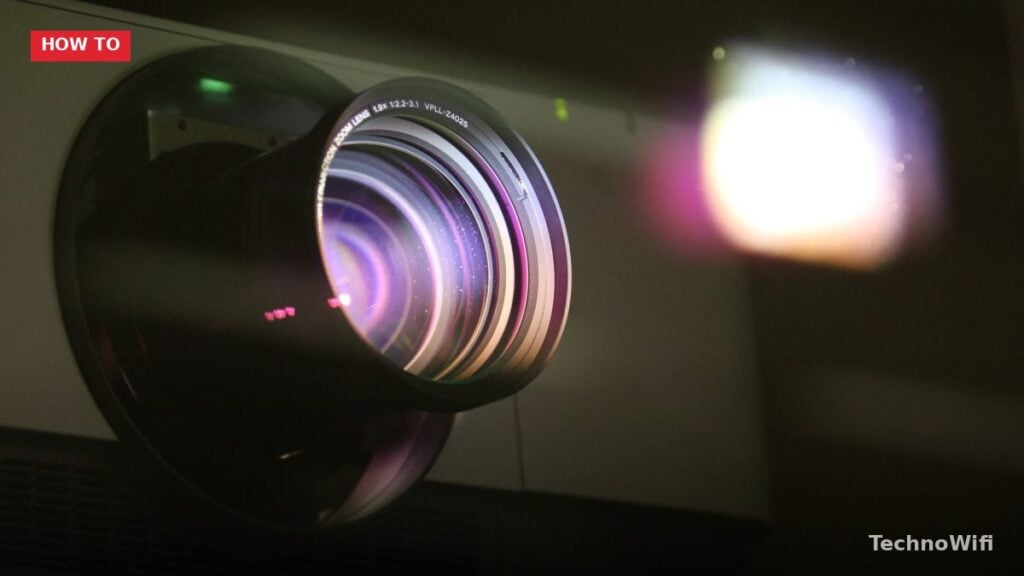
How to Use DBPower Projector: Overview
The DBPower projector is a compact mini projector that can display a screen up to 176 inches. For its size, it produces surprisingly sharp images compared to other mini projectors in the same price range.
Step-by-Step Guide to Using the DBPower Projector
Connecting the Projector to a Power Source
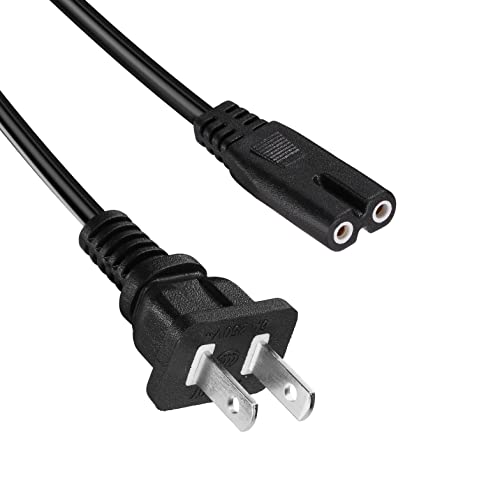
Start by connecting the DBPower RD810 projector to the power cable. The power indicator light will turn on to confirm a successful connection.
Press the “Power” button, which you’ll find on the projector itself or on the remote control. After powering on, a welcome message will appear on the projector screen.
Multimedia Screen Booting
Within 3 to 5 seconds, the multimedia screen should appear, confirming a successful boot. If it doesn’t show up, double-check that all cables and plugs are properly connected.
Focus and Keystone Correction
If the projected image looks trapezoidal (wider at the top or bottom), adjust it using the keystone correction dial or buttons on the projector. If you still can’t get the right shape or size, check the image settings in the main menu.
Image Focusing
Keep the projector level and horizontal. Then turn the focus ring on the projector until the image looks sharp and clear. Display a video or the menu screen to verify your adjustment.
For a different take, see our guide on how to connect Bluetooth headphones to Xbox one.
Display Settings
The projector has manual keystone correction, and the menus can be controlled remotely with a DBPower projector remote. This gives you control over image adjustments to match your setup.
Keep in mind that the projector may have a limited keystone correction range. Check the manual to confirm what your specific DBPower model supports.
Position the DBPower T20 projector horizontally to the projection screen. This ensures the video or presentation displays correctly.
If the display looks off, it’s likely because the projector isn’t aligned properly with the screen. Adjust its position until it sits level and horizontal.
Playing Media from a USB/SD Card
Insert your USB drive or SD card into the projector’s designated slot. Then use the remote control to select “USB” or “SD Card” from the input options in the main menu.
Supported Multimedia Formats
You can choose to display video, music, photos, or text. Select the file you want to play, and remember to press “display” to start or “stop” when you’re done.
If you want to go deeper, we have a separate guide on how to connect soundbar to TV.
For audio files, supported formats include MP3, WMA, OGG, AAC, MA4, FLAC, APE, and WAV. For images, you can use JPEG, BMP, or PNG files.
AV Connection
For an AV connection, use a 3-in-1 AV cable. Connect the cables from the projector to your devices, then select “AV” from the input options in the main menu.
HDMI Connection
If there’s no sound through HDMI, make sure the projector has the correct HDMI input selected. Connect your computer or other HDMI-compatible device, then choose the right HDMI signal source from the menu.
3.5mm Audio Connection
Plug headphones or external speakers into the 3.5mm audio jack for audio output. Keep in mind that the projector doesn’t decode Dolby sound, so make sure your audio source uses a compatible format.
![[Auto Focus/Keystone] DBPOWER Projector 4K with 5G WiFi and Two-Way Bluetooth, 600ANSI FHD Native 1080P Outdoor Movie Projector with 4P4D/PPT/Zoom, Mini Home Projector Compatible w TV Stick (White)](https://www.technowifi.com/wp-content/uploads/2026/08/auto-focus-keystone-dbpower-projector-4k-with-5g-wifi-and-two-way-bluetooth.jpg)
![[Electric Focus/Auto Correction] 900 ANSI Ultra HD, DBPOWER Native 1080P 5G WiFi Bluetooth Projector, HD Outdoor Projector 4K Support, 4P4D/Zoom/PPT, Portable Mini Movie Projector for Phone/Laptop/DVD](https://www.technowifi.com/wp-content/uploads/2026/08/electric-focus-auto-correction-900-ansi-ultra-hd-dbpower-native-1080p-5g-wifi.jpg)
Wrapping Up
That covers the basics of setting up and using the DBPower projector. If you run into any issues, the user manual that comes with the device has detailed troubleshooting steps for your specific model.
See Also
How to connect the phone to the projector wirelessly
How we verify what we publishLast checked October 10, 2026Report an error